
Global stocks and cryptocurrencies are rallying today, with top Asian indices like the Nikkei 225, Kospi, and Topix jumping by over 5%, after the US and Iran confirmed that they had reached an agreement. The two sides, however, did not provide more details on the memorandum of understanding (MoU). This article looks at some of the details that may be on the deal that will be signed on Friday.
US-Iran deal to reopen the Strait of Hormuz
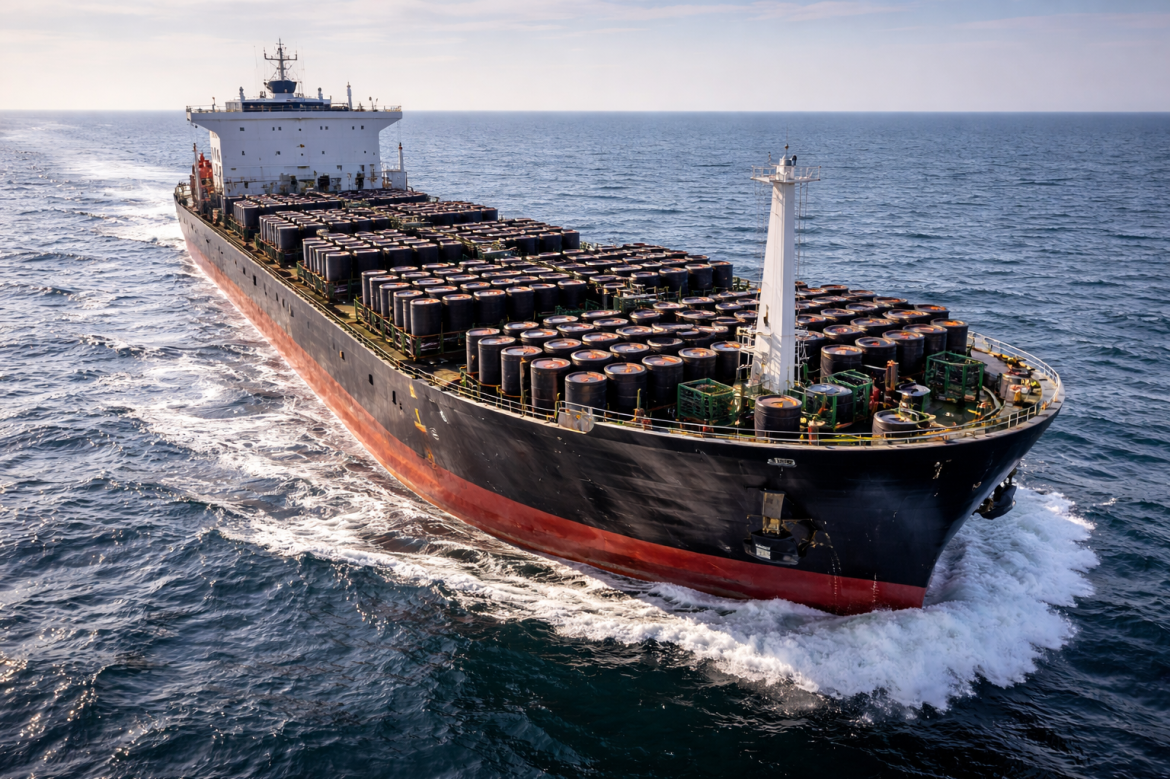
The most important part of the US-Iran deal is the reopening of the Strait of Hormuz without tolls. In a statement, President Donald Trump said that the narrow strait will remain toll-free permanently just as it was before the war started.
According to the NYT, the MoU will suspend tolls on the strait for 60 days, and then there will be regional dialogue about the future. Iran has hinted that it will collaborate with Oman to levy fees, such as environmental or security to ships transiting through the strait.
Iran insists the deal ends fighting in Lebanon
The other key part in the memorandum of understanding is that Iran has insisted that fighting will also stop in Lebanon, where Israel and Hezbollah have engaged in fierce battles.
Israel, on the other hand, has said that it was not party to the talks with the US and that it will continue its operation in the country. On Sunday, the country’s military launched attacks in South Beirut, a move that led to criticism from Donald Trump.
A key risk in the MoU between the US and Iran is that Israel may continue its bombing campaign. As we saw last week, Iran may decide to intervene, a move that will draw the US back to fighting. Indeed, there are signs that Trump has soured with Netanyahu. He told the NYT:
“He’s a very difficult guy and to be honest with you, he should be very thankful to us for doing this. Because if Iran had a nuclear weapon, Israel wouldn’t be around for two hours.”
Fate of payments to Iran unclear
A key part of the deal that was not disclosed was on the amount of money that Iran will receive. For Iranians to accept reopening the Strait without tolls, it must have been promised cash.
Media reports suggest that Iran will receive $24 billion of its funds during this period. $12 billion of these funds will be unfrozen before the negotiations start, and the rest during its implementation.
These funds are a major risk to Trump, who has accused President Barrack Obama of sending $400 million in cash to the Iranians. In this case, the arrangement could be in form of other countries like Qatar releasing the funds as a loan, that is backed by Iran’s frozen assets.
Indeed, recent reports suggest that the UAE has started to unlock funds worth $10 billion to Iran. According to Reuters, $3 billion have already been sent to Iran, with the UAE seeking to patch relations with Iran as it became one of the top recipients of missiles and drones.
Fate of Iran nuclear program unclear
The deal reached between the US and Iran does not include any nuclear issue other than the latter’s commitment to never build nuclear weapons. This has been Iran’s stance for years, a statement that was also in the JCPOA agreement.
Iran has insisted that it will not give up its right to enrich uranium because it is a a membe of the non-prolifilation treaty (NPT).
Another unknown is the fate of the already enriched uranium, which Trump calls dust. Trump has insisted that the US will retrieve the material, a risky process as Iran has already planted mines at key locations.
The post What is in the new US-Iran peace deal? Here’s what we know appeared first on Invezz