
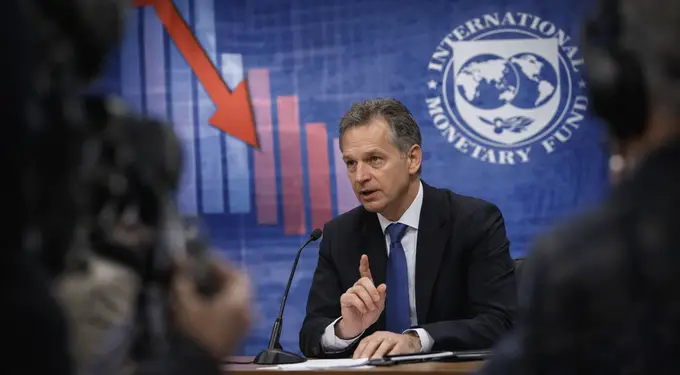
IMF urges nations to skip fuel subsidies amid energy market shock
The International Monetary Fund has warned that the escalating conflict in the Middle East is adding further stress to an already fragile global fiscal environment.
In its latest Fiscal Monitor report released on Wednesday, the IMF said higher interest rates and rising energy prices intensified by the war are increasing pressure on emerging markets and developing economies.
These countries are already grappling with tighter financial conditions and rising borrowing costs.
The report noted that the ongoing conflict has compounded existing vulnerabilities, raising concerns about fiscal sustainability globally.
IMF advises against fuel subsidies
Rodrigo Valdes, the IMF’s fiscal affairs chief, urged governments to avoid fuel subsidies despite rising energy prices.
Instead, he recommended targeted and temporary cash transfers to support vulnerable populations.
“We don’t have oil. We don’t have energy. Energy needs to be more expensive for everybody, so that the adjustment happens and we consume less,” Valdes told Reuters in an interview.
Valdes emphasised that suppressing energy prices through subsidies could distort market signals and worsen global imbalances.
The IMF earlier this week downgraded its global growth outlook, citing war-driven energy price spikes and supply disruptions.
The institution warned that the global economy could be pushed to the brink of recession if the conflict intensifies and oil prices remain above $100 per barrel through 2027.
Valdes noted that several factors would determine the long-term economic impact of the war, including export controls, damage to energy infrastructure, and the ability of other producers to increase oil output.
Global debt levels continue to climb
The Fiscal Monitor report highlighted a sharp rise in global government debt, which reached 93.9% of GDP in 2025, up from 92% a year earlier.
The IMF expects debt levels to hit 100% of GDP by 2029, earlier than previously projected, and continue rising to 102.3% by 2031.
This would mark the highest debt burden since the aftermath of World War Two.
Rising interest payments are compounding the problem.
Global interest costs climbed to nearly 3% of GDP in 2025, compared with 2% four years ago.
Structural risks and market shifts
Valdes also warned about structural changes in debt markets.
He pointed to the growing role of investors such as hedge funds, which he described as “less firm hands to hold debt for the long run”.
The IMF noted that shorter debt maturities are increasing vulnerability, as higher interest rates are transmitted more quickly to government finances.
Additional pressures include rising defence spending, energy transition costs, and climate-related investments.
The IMF also flagged risks from trade fragmentation, political instability, and sudden market shifts, including volatility in AI-related stocks, which could tighten financial conditions rapidly.
Despite mounting risks, Valdes stressed that countries are not yet at a crisis point but warned against delays in fiscal reforms.
The post IMF urges nations to skip fuel subsidies amid energy market shock appeared first on Invezz